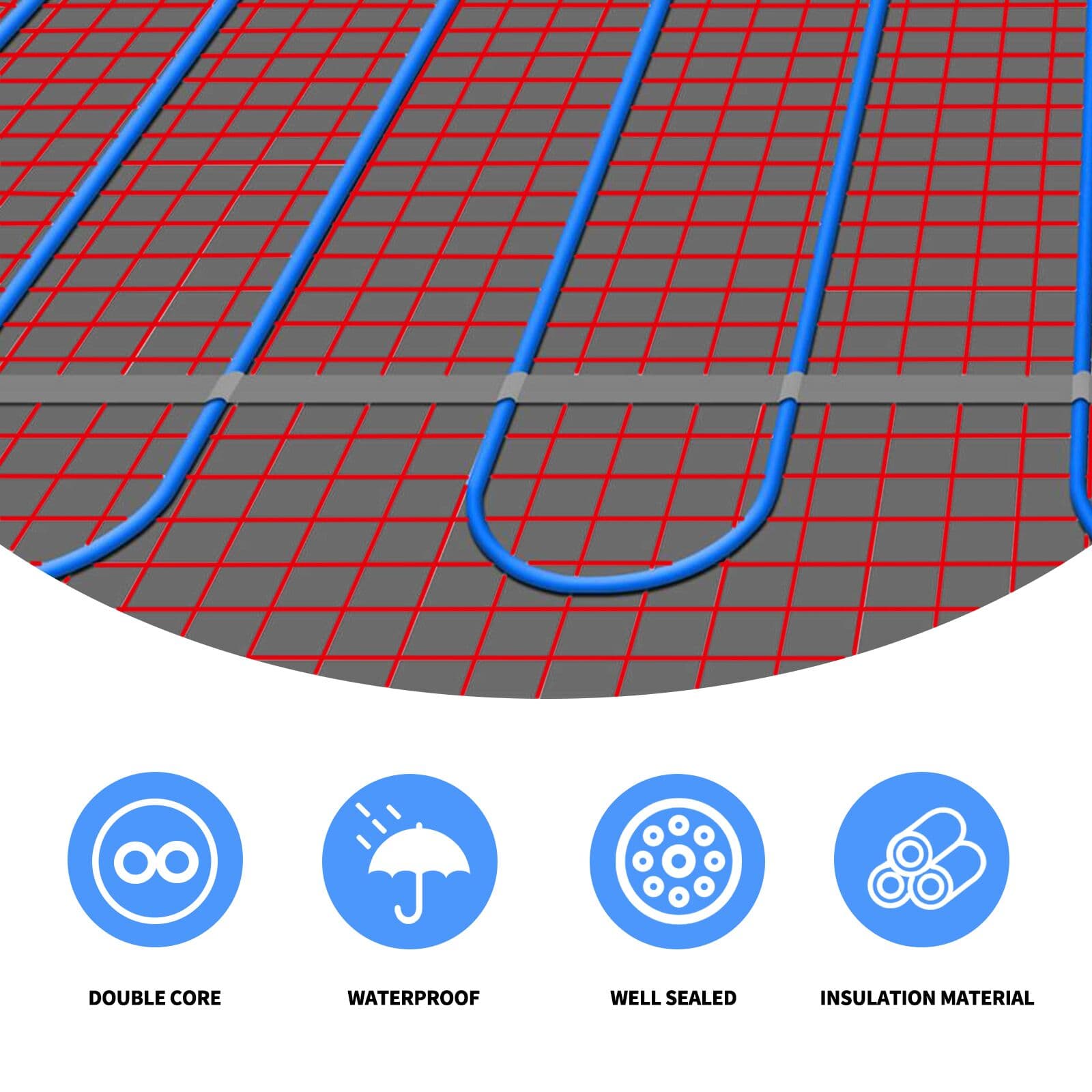
What are the superior properties of carbon fiber heating wires?

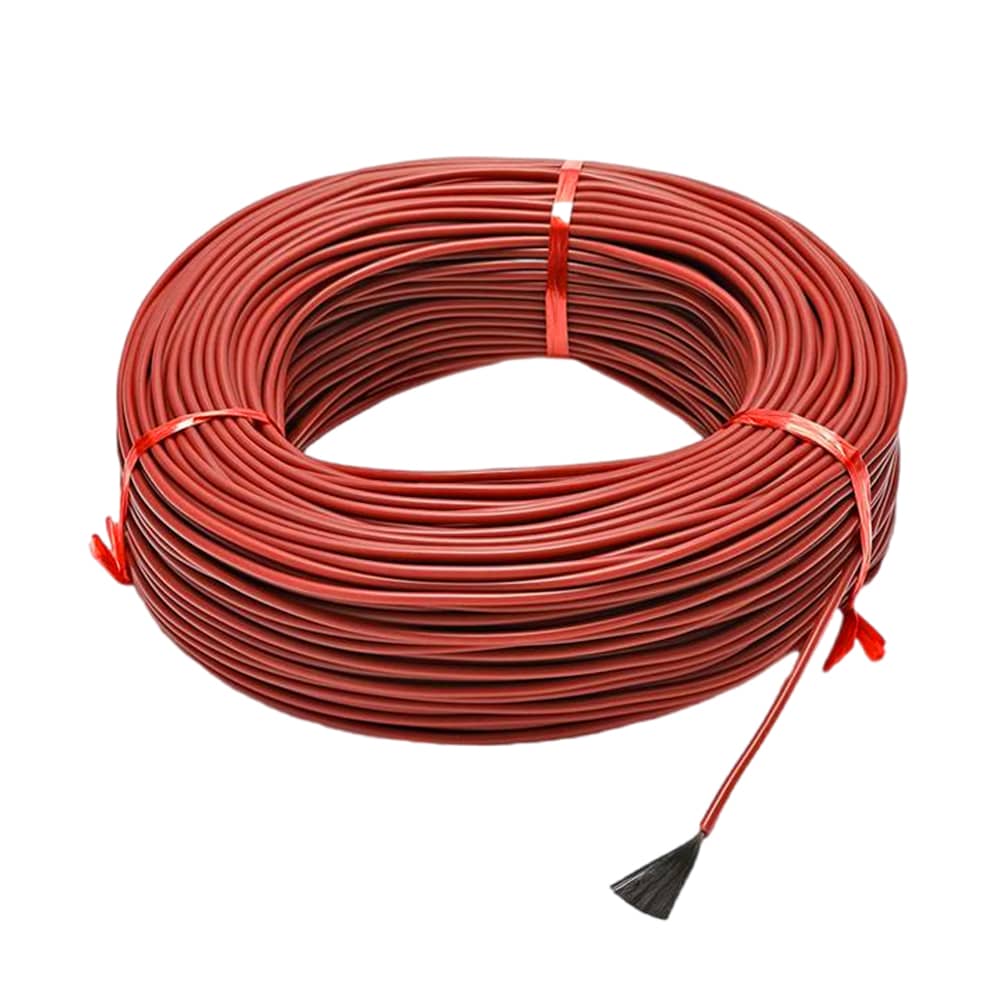
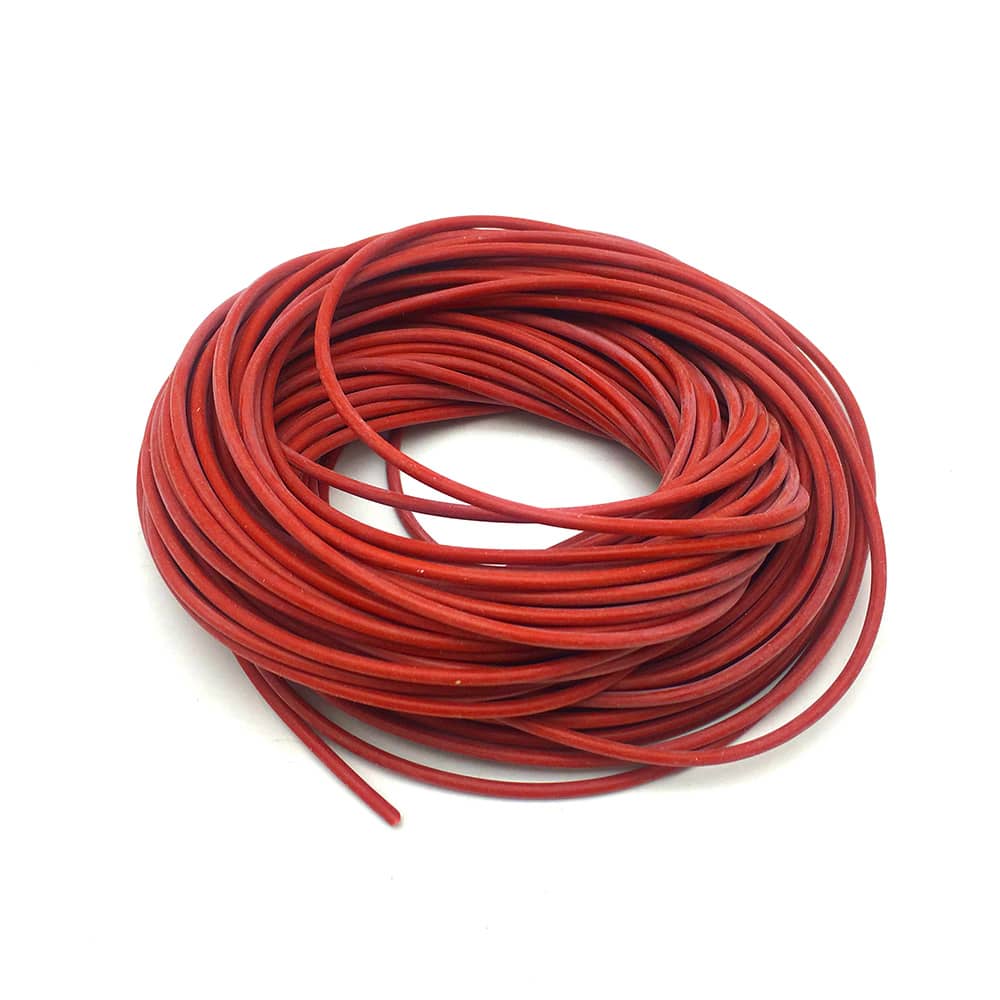
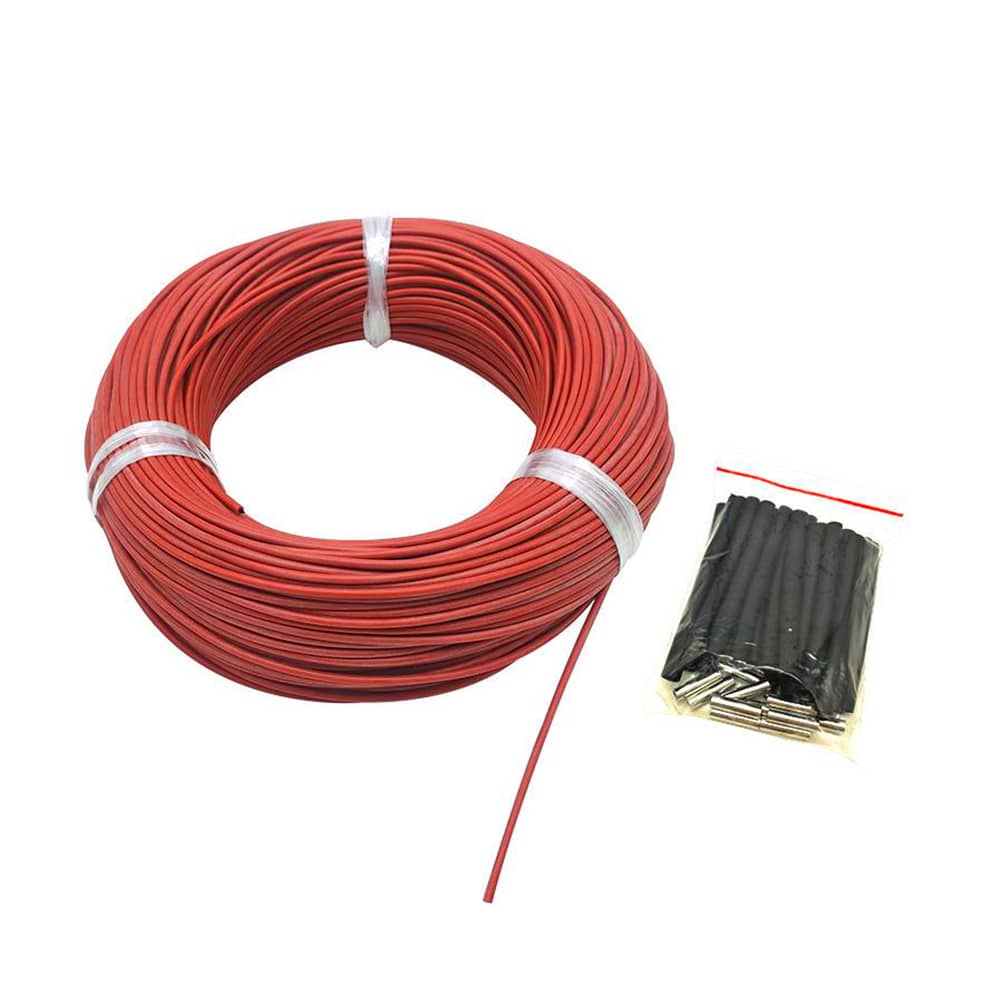
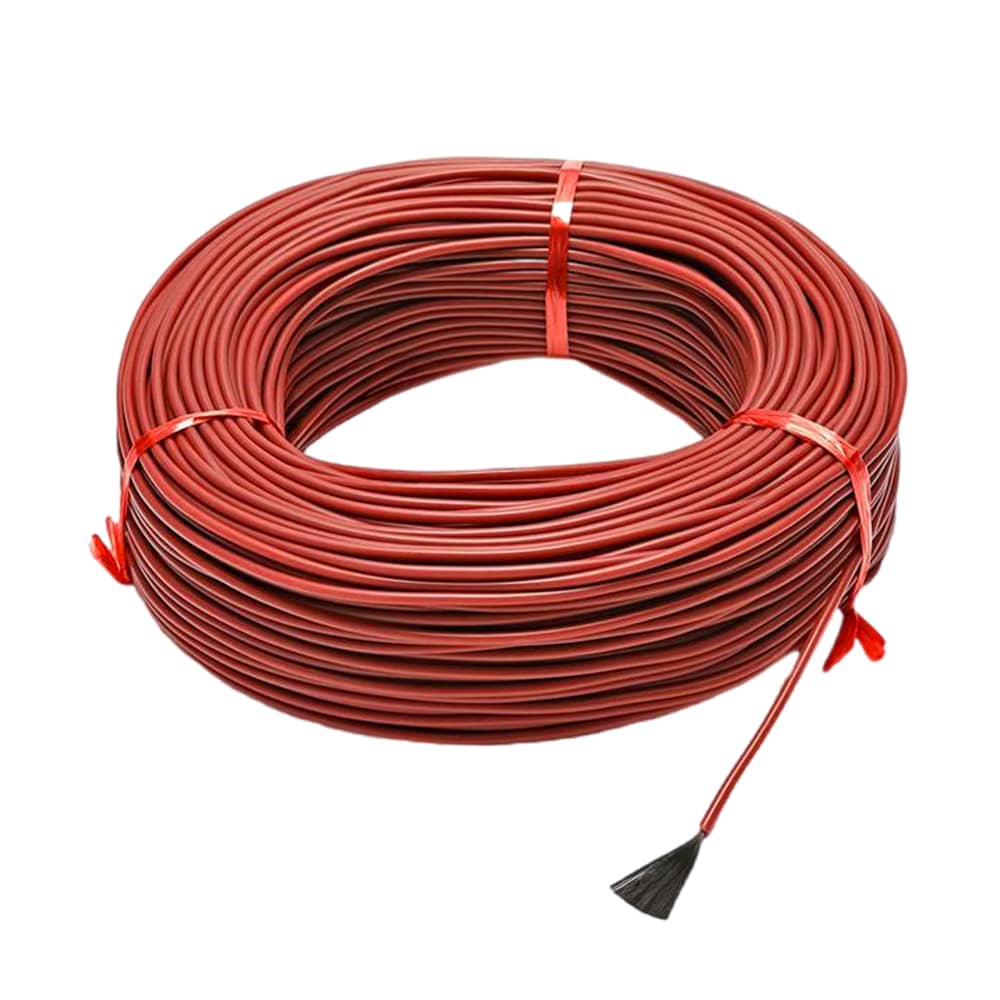
Carbon fiber is a new type of high-performance fiber-reinforced material with excellent properties such as high strength, high modulus, high temperature resistance, wear resistance, fatigue resistance, corrosion resistance, creep resistance, conductivity, and thermal conductivity. It can reduce the weight of components, thereby improving their technical performance. Therefore, using carbon fiber as an electric heating element has many excellent properties that cannot be compared to metal, PTC and other electric heating elements:

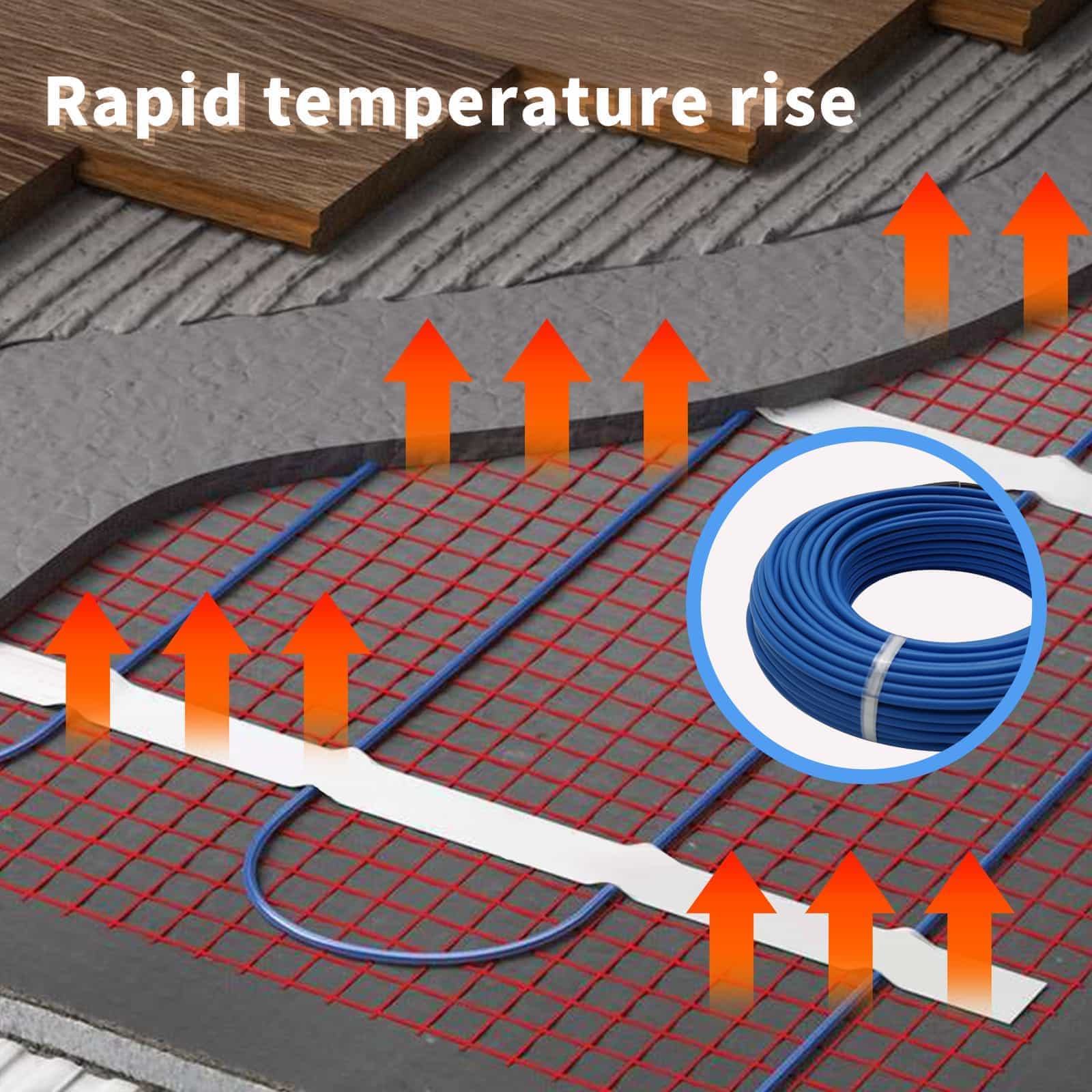
1. Rapid heating up

Capable of producing the life light required by the human body, far-infrared radiation ranging from 8 μ m to 15 μ m.


2. High efficiency of electric thermal conversion, saving energy

Floor infrared heating wire is a type of all black body material, with an electric heating conversion efficiency that is 30% higher than metal heating, and an electric heating efficiency of about 100%.


3. High tensile strength

Under the same allowable current load area, the strength of carbon fiber is 6-10 times higher than that of metal wire, and it will not break during use, so the tensile strength does not change much during the electric heating process.


4. No arcing due to broken wires

Effectively prevent the occurrence of fires.


5. Lightweight

Effectively reducing the weight of components, thereby improving their technical performance.


6. Stable chemical properties

Corrosion resistant and not easily oxidized. When heated to 3000 degrees Celsius in an anaerobic state, its mechanical properties do not change, and it overcomes the limitations of metal wires in an electric heating state PTC、 The disadvantage of low strength and easy oxidation and burning of silicon carbide heating elements.


7. Long service life

Carbon fiber electric heating wire have the same lifespan as buildings.

Characteristics of electric hot wire low-temperature radiation heating system

characteristic:

1.Using heating cables for heating is a green and environmentally friendly heating method that achieves zero emissions and no pollution.Good heating effect and high heating rate.

2. Good heating effect and high heating rate.

3. Highly controllable, truly achieving household, room, and area control, easy to operate.

4. Abandoning the construction and investment of pipelines, pipe trenches, radiator fins, etc. has saved land and increased the usable area. According to statistics, it can save land and increase the usable area of buildings by about 3-5% each.

5. Comfortable and cozy, not occupying walls, conducive to building decoration and renovation.

6. Long lifespan, low maintenance costs, installation that meets regulatory requirements, and proper operation. The system has the same lifespan as a building and does not require maintenance or repair for many years.

7. Easy installation and low operating costs.

Heating cables are suitable for any environment and space

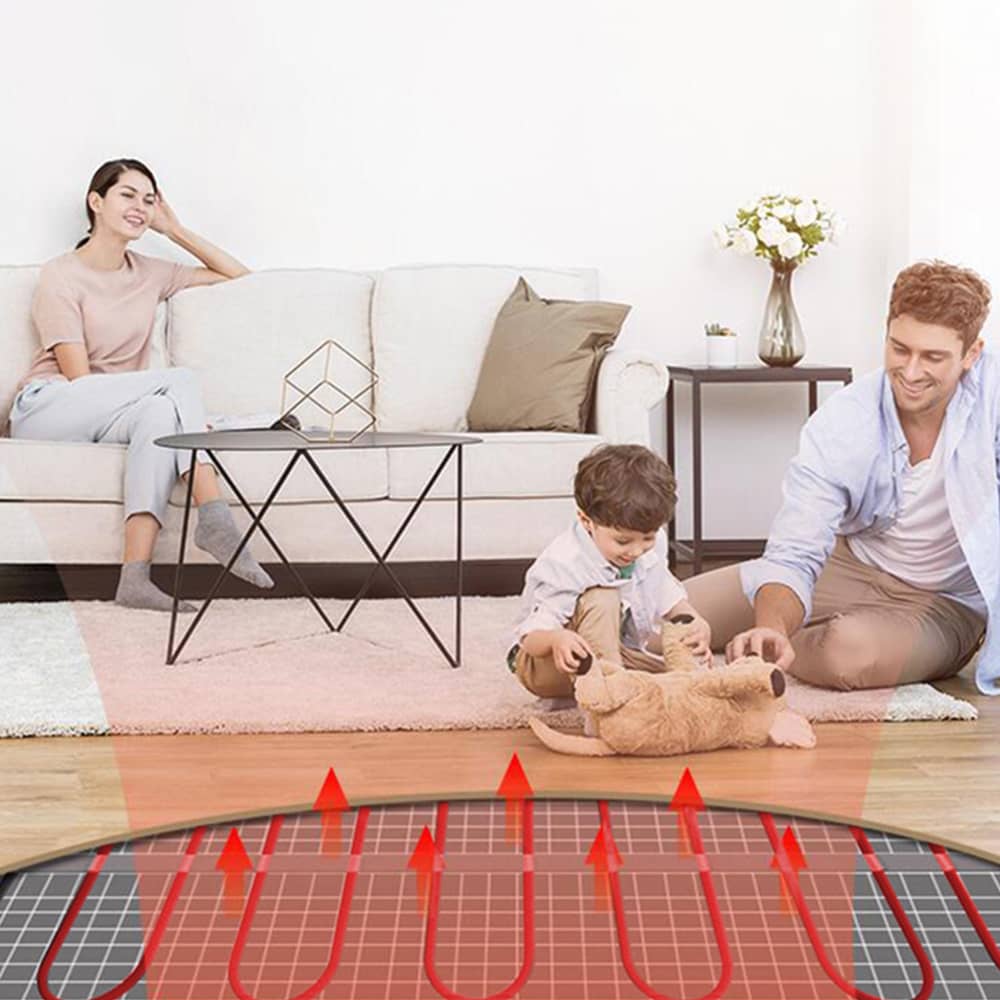
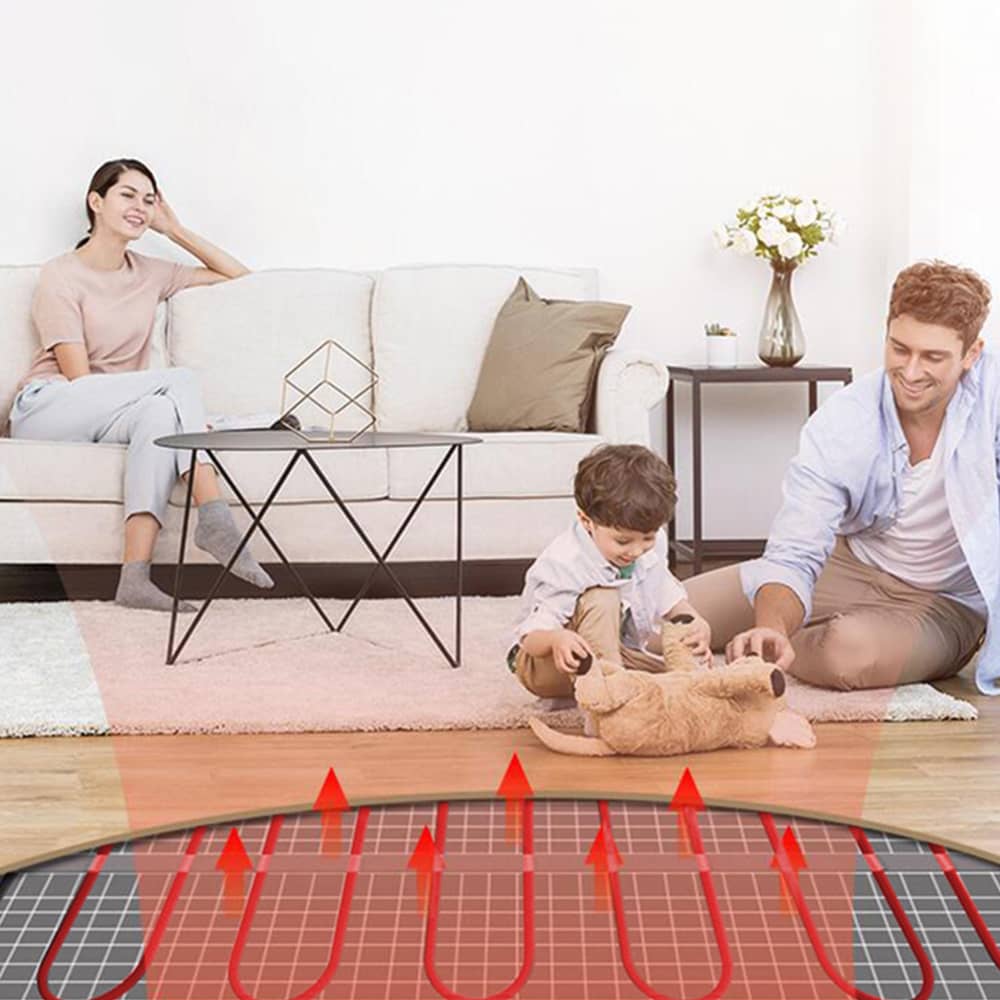
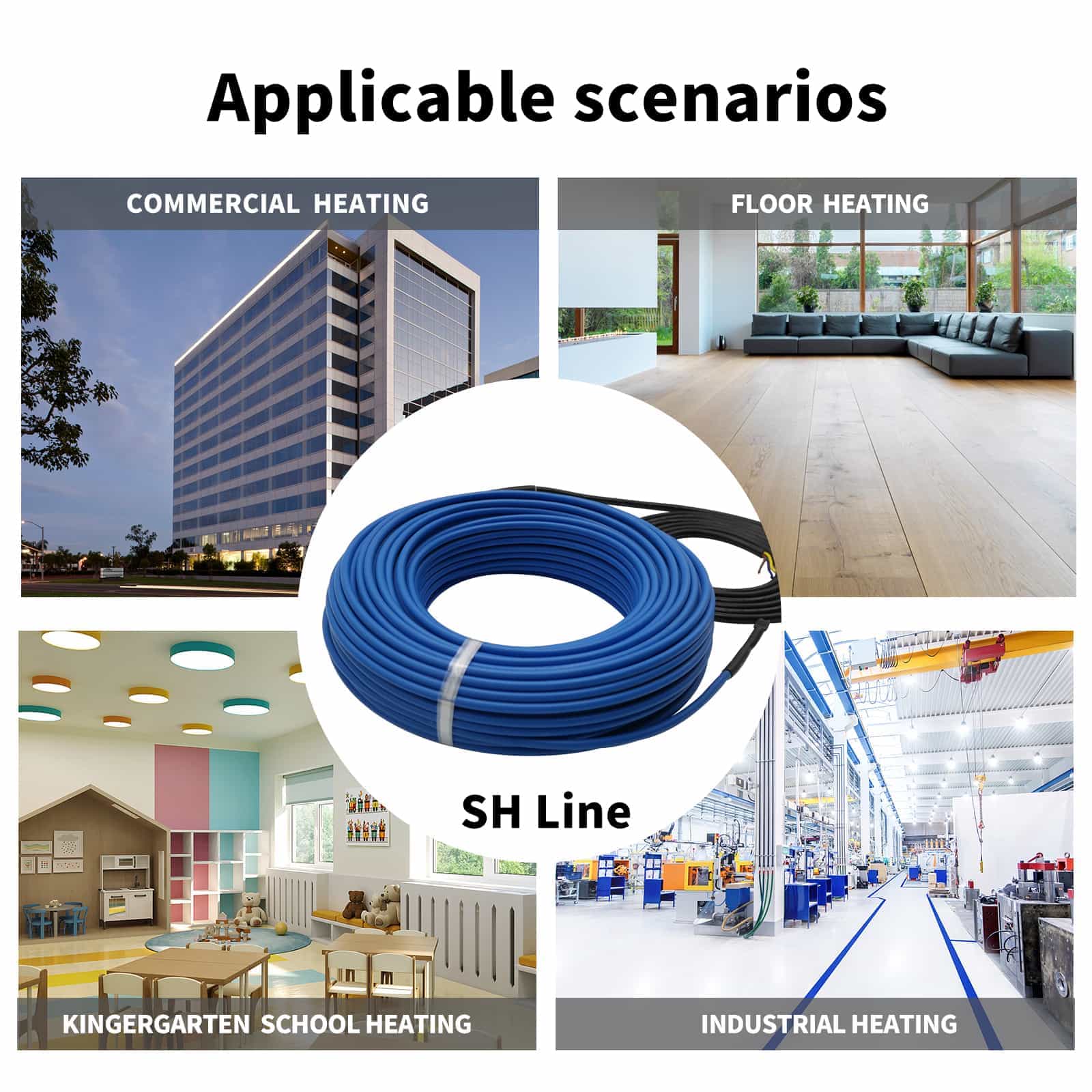
The heating cable heating system is not limited by environmental conditions and can be installed in any place with heating needs. It can be installed on the ground, walls, or ceilings, providing room heating, antifreeze insulation for pipelines, and melting snow and ice on outdoor roads and roofs. Especially for larger spaces such as clubs, exhibition halls, cinemas, sports halls, etc., the heat transfer distance of wall mounted radiators is limited, making it difficult to meet the heating requirements of the entire indoor space. In addition, the indoor heat distribution is uneven, and the ground radiation heating method of heating cables uses the entire ground as a radiator, resulting in uniform indoor temperature distribution. At any position in the room, there will be a warm and comfortable feeling. For large space buildings with glass curtain wall structures, since radiators cannot be installed on the wall, it is more suitable to install heating cable heating systems.

The heating cable is like the sun under the floor

The reason why heating cable heating is called the most ideal heating method in winter is not only because of its economy, safety, convenience, and high quality, but also because it regards people as the main body of life, highlighting the three modern life themes of comfort, health, and environmental protection; Highly humanized design, simple and flexible control methods, bring great convenience to users; The system structure hidden underground maximizes the saving of indoor space.

Comfortable physical sensation:

The heating cable heating system mainly relies on far-infrared radiation for heat transfer (accounting for more than 60% of the total heat transfer), and its radiation principle is the same as that of solar radiation. The ways of heat transfer are divided into three forms: convection, conduction, and radiation. Radiant heat is the most comfortable way of heat transfer for the human body, giving people a warm feeling like sunshine without air flow or dryness. People can set the most suitable indoor temperature according to their own needs, which is not affected by outdoor temperature or seasonal restrictions, and always maintains a warm and spring like feeling indoors.

Having health functions:

Due to the use of the ground as a heat dissipation surface, heat is transferred from bottom to top, giving people a feeling of warmth and coolness. According to medical principles, the most comfortable temperature for human foot sensation is 29 ℃, and the most comfortable temperature for head sensation is 18 ℃. The environmental temperature created by the heating cable heating system is exactly in line with the physiological needs of the human body, which is very beneficial to human health. At the same time, far-infrared radiation has health benefits for the human body, making it the most scientific heating method.

The Role of Thermistors in Modern Garment Steamers

    With the growing emphasis on quality living, the demand for better clothing care solutions has surged. Garment steamers have become an essential household appliance, offering a convenient way to maintain wrinkle-free and hygienic clothing. These devices enable users to quickly smooth out various garments, such as suits and shirts, turning them into perfectly presentable attire in no time. Behind this seamless functionality lies the indispensable contribution of NTC thermistors.

    Garment steamers operate by producing high-temperature steam, typically around 98°C, which softens fabric fibers and eliminates wrinkles through a combination of heat and gentle pressure. The steam not only smooths clothing but also provides effective sterilization. With just a minute of preparation, the steamer generates high-pressure steam to treat clothing wrinkles, requiring no ironing board and simplifying the traditionally tedious ironing process. Suitable for a variety of materials, garment steamers are versatile tools for clothing, curtains, and carpets, saving time and effort while delivering excellent results.

    The temperature control module of a garment steamer integrates a temperature-measuring NTC thermistor, which plays a critical role in ensuring the device operates efficiently and safely. By continuously monitoring the temperature of heating components, the thermistor transmits this data to the control module, which adjusts the connection circuit between the rechargeable battery and the low-voltage DC water pump accordingly. Operating in high-temperature, high-humidity conditions, this thermistor must meet rigorous standards for performance and reliability.

    Nanjing Shiheng Electronic Technology Co., Ltd. has developed NTC thermistors specifically designed for such demanding environments. Through extensive research and innovation, the company has overcome numerous technical challenges, enabling the mass production of reliable, high-performance thermistors. These components deliver the accuracy and durability required for garment steamers to function optimally.

    Our NTC thermistor products are designed for a variety of applications, including surge suppression, temperature compensation, precise temperature measurement, and temperature control. With a commitment to advancing temperature-sensing technology, we ensure that our solutions meet the highest industry standards, offering dependable performance across diverse use cases.

Are Terminal Blocks Safe?

  Are Terminal Blocks Safe? Here's what you need to know.


Terminal Blocks


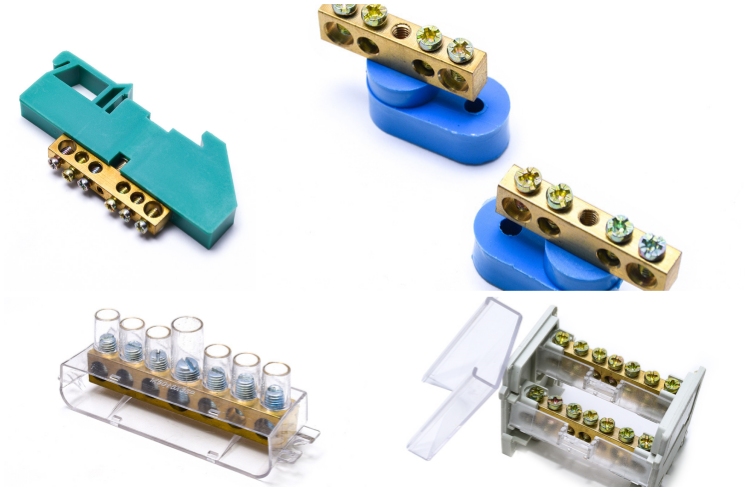
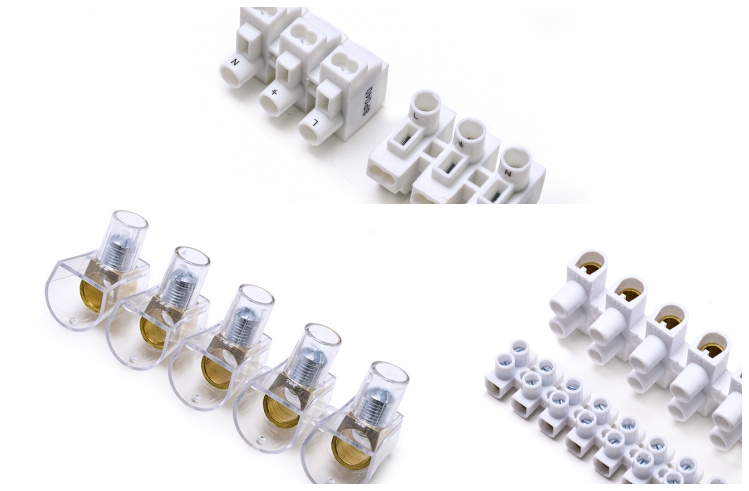
Terminal blocks are a widely used electrical component in various industries, including manufacturing, automation, and electrical installation. They play a critical role in connecting electrical conductors, ensuring secure and reliable connections between wires, and protecting circuits from faults. But with their widespread use, it’s important to ask: Are terminal blocks safe?


In this blog, we will explore the safety considerations surrounding terminal blocks, including their design, installation, and maintenance to ensure you use them safely and effectively in your electrical systems.


Safety Features of Terminal Blocks


Insulation: Terminal strips are often made from materials that provide electrical insulation, such as high-grade plastics. This helps prevent accidental short circuits and electrical shock by keeping the live parts of the connection away from any external contacts.


Current Rating: Terminal blocks are designed to handle a specific current rating, which corresponds to the maximum amount of current that can safely pass through the connection. Overloading a terminal block can lead to overheating, electrical arcing, and fire hazards. It’s important to always choose a terminal block that matches the requirements of your application.


Built-in Locking Mechanism: Many terminal blocks come with a built-in screw or clamp mechanism that holds the wire securely in place. This reduces the risk of loose connections, which can lead to sparking or arcing, a major cause of electrical fires.


Short-Circuit Protection: Some advanced terminal blocks include built-in protection mechanisms, such as fuses or circuit breakers, to cut off the electrical flow in case of an overload or short circuit. This feature adds an additional layer of safety in preventing electrical hazards.


Temperature Resistance: Terminal blocks are designed to operate within a certain temperature range. When used properly, they can handle the heat generated by electrical current without degrading or melting. Using a terminal block that is not rated for the required temperature can lead to failure, which poses significant safety risks.

A balance of long-term savings and comfort

Electric heating floor heating mat as a modern home comfort solution has become more and more popular in recent years. Not only do they provide even heat distribution, they also save space and reduce dust and allergen accumulation. However, for owners considering installing electric floor heating pads, assessing their cost-effectiveness is an important decision factor. This paper will discuss the initial installation cost, operation cost and long-term energy saving and economy of electric heating floor heating pad in detail.

The cost of installing an electric floor heating pad is affected by a number of factors, including the size of the house, the type of flooring and the complexity of the installation. Electrically heated floor heating pads are generally less costly than water heating systems because there is no need to install a boiler and piping system. However, installation costs will also vary depending on the brand of floor heating mat chosen and the quality and efficiency of the installation service.

The operating cost of electric heating floor heating pad mainly depends on the local electricity cost and the frequency of use of the system. Since electricity prices can vary significantly from region to region, operating costs vary accordingly. The energy efficiency of electric floor heating pads and the accuracy of thermostats also affect operating costs, as an efficient system reduces energy waste.

The energy saving efficiency of electric heating floor heating pad is an important part of its cost efficiency. Because the floor heating pad provides uniform heating from the floor to the room, it can reduce heat loss and improve thermal efficiency. Compared to traditional forced air heating systems, electric heating floor heating pads do not require a lot of energy to push the air flow, thus reducing energy consumption. In addition, underfloor heating pads can operate at lower temperatures because the heat is transferred directly to the living space rather than through the air.

Although the initial installation cost of electric heating floor heating pads may be higher than that of traditional heating systems, the long-term energy saving benefits may offset this additional cost. Floor heating pads have a long service life, low maintenance costs, and are unlikely to require frequent replacement or upgrades. In addition, electrically heated underfloor heating pads can increase the value of a home, making it a potential return on investment.


A comprehensive guide to installing electric floor heating in your bathroom

During the cold season, stepping into a warm and cozy bathroom is a great way to enhance your home experience. As an important part of modern home comfort, the electric floor heating system not only provides a mild heat source, but also increases the beauty and practicality of the bathroom. So how to install electric floor heating in the bathroom has also become a concern for many families. This article will delve into how to effectively install an electric underfloor heating system in your bathroom to ensure safety, efficiency and durability.


Choose the right electric floor heating products


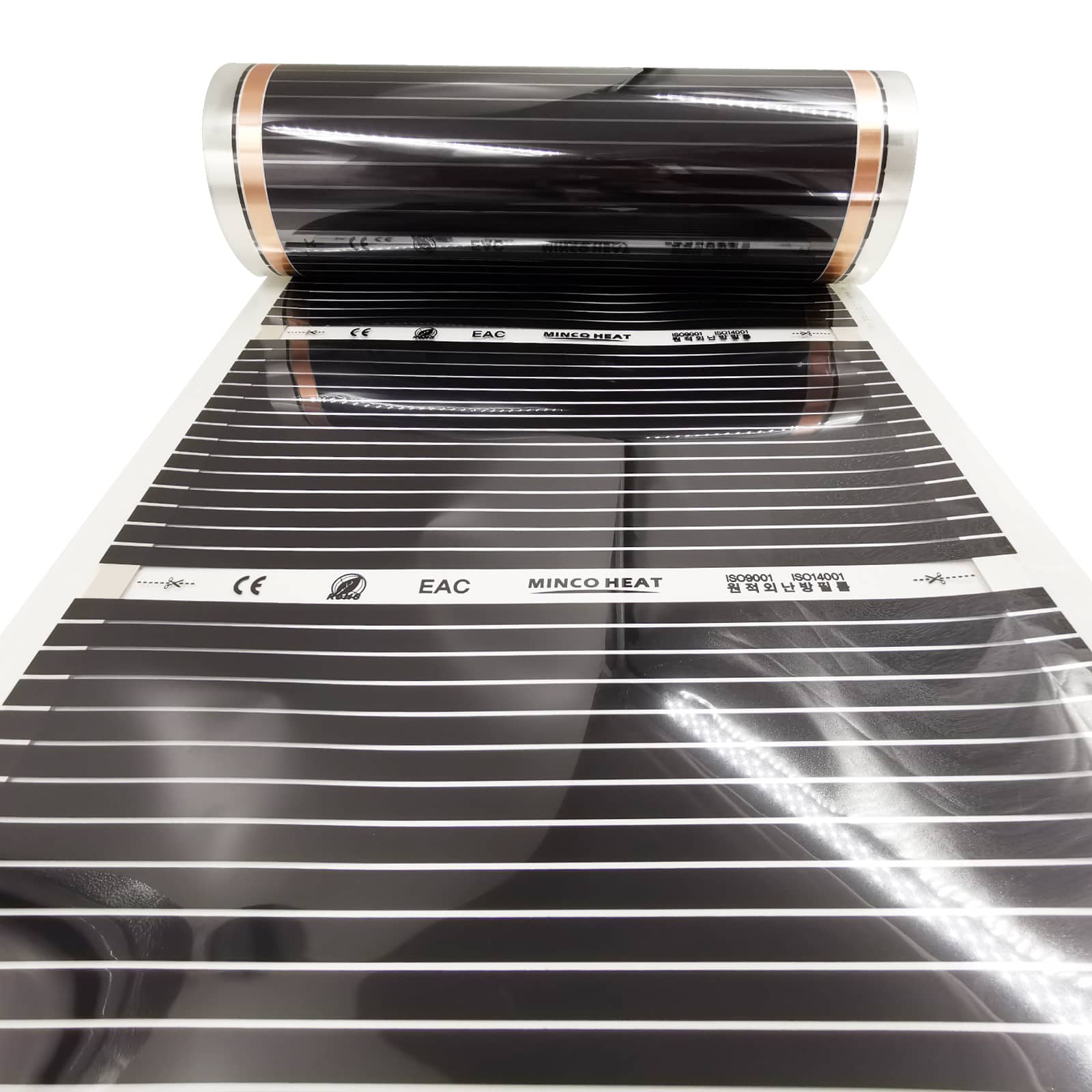
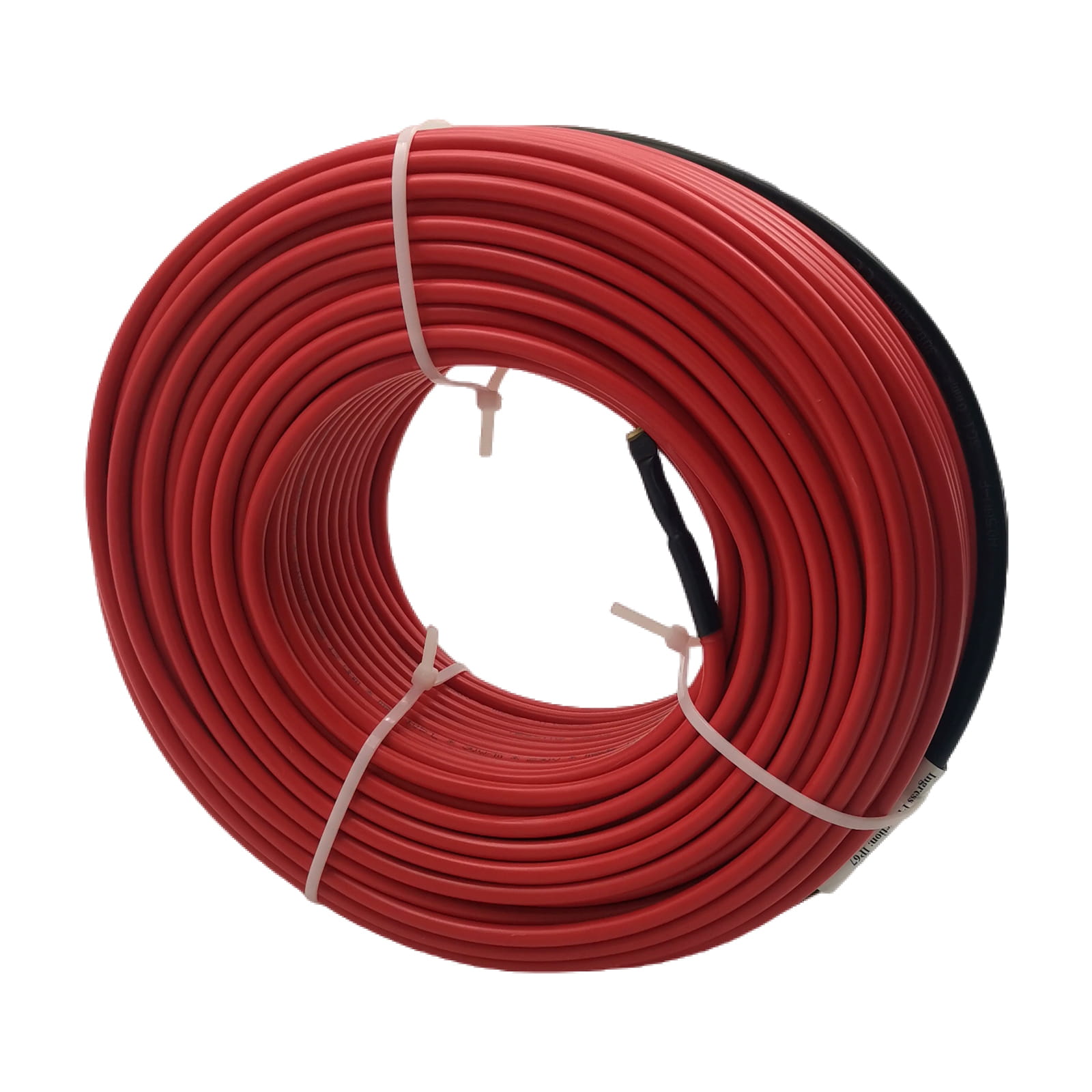
Choosing an electric floor heating product suitable for the bathroom environment is crucial. Common types of electric floor heating on the market include heating cables and electric thermal film. Considering the high humidity of the bathroom, it is recommended to use a waterproof heating cable system, which is designed for humid environments and can guarantee long-term stable operation.

electric floor heating


Evaluate bathroom space and heat load requirements


Before purchasing an electric floor heating system, it is necessary to accurately measure the space size of the bathroom, and calculate the required heat load according to the thermal insulation performance of the room, the size of the window and the external climate conditions. This step is essential to determine the required electric underfloor heating power and budget.


Prepare the bathroom floor


Before installing electric floor heating, ensure that the bathroom floor is smooth, dry and free of dust. The ground should be insulated to reduce heat loss downwards and improve the heating efficiency of the entire system. In addition, in order to prevent the cracking of floor materials such as tiles, a special floor heating reflective film can be considered.


Laying heating cables accurately


According to the instruction manual provided by the manufacturer, lay the heating cable evenly on the thermal insulation layer at a reasonable distance. Ensure that the required distance between cables and between cables and walls is maintained to avoid overheating or uneven heat. After the cable is laid, special testing instruments should be used to check its continuity and insulation.


Cover the heat transfer layer and surface material


The heating cable is covered with a heat transfer layer, such as fine stone concrete or special heat conduction plate, to ensure that the heat is evenly distributed to the ground surface. Finally, choose and install tiles, marble or other types of floor decoration materials according to personal preference.


Connect the power supply and test the system


After completing the floor construction, connect the electric floor heating system to the power supply and debug it according to the manufacturer's instructions. At this stage, the system is checked to ensure that the thermostat is set correctly for optimal heating and energy efficiency.


Precautions and maintenance

During the installation, pay attention to the waterproof treatment of the electric floor heating system to avoid moisture in parts such as cable joints. At the same time, check the operating status of the system regularly, and clean up dust and impurities in time to extend the service life.


Applicability analysis of floor heating pad in renovation projects and new buildings

Underfloor heating system, as an efficient, energy-saving and environmentally friendly heating method, is more and more favored by architects and owners. In particular, the floor heating pad, with its easy installation and relatively low cost characteristics, has shown a unique advantage in renovation projects and new buildings. The purpose of this paper is to discuss the application of floor heating pad in these two types of building projects, evaluate its applicability, and predict its future development trend.


Technical characteristics and advantages of floor heating pad

1.Easy installation: The thin and light characteristics of the floor heating pad make it convenient to lay under the ground material, without complex pipeline system, which greatly shortens the construction period.

2.Energy saving and high efficiency: electric floor heating has high thermal efficiency, can quickly respond to temperature changes, achieve accurate temperature control, and reduce energy waste.

3.Space flexibility: Especially suitable for local heating needs, the heating area can be flexibly adjusted according to the use of the room.

4.Simple maintenance: Because there is no liquid circulation system, the maintenance cost and failure rate of the floor heating pad are relatively low.


Application of floor heating pad in renovation project

1. No need to destroy the original structure: traditional water heating systems need to lay pipes, which often involves the excavation and reconstruction of the ground. The floor heating pad can be installed directly on the existing ground, reducing the damage to the building structure.

2. Quick implementation: The installation process of the floor heating pad is simple and quick, and can be completed in a very short time, which is a huge advantage for owners who want to resume use as soon as possible.

3. Enhance comfort and value: Through the installation of floor heating MATS, not only improve the comfort of the living environment, but also increase the market value of the house.


Application of floor heating pad in new building

In new construction projects, floor heating MATS have also shown good applicability. Designers can pre-plan the layout of the floor heating pad according to the functional zoning and user needs of the building to achieve a more personalized and efficient heating scheme. In addition, the installation of floor heating MATS in new buildings is not restricted by the existing structure, and can be more flexible to integrate with other building systems, such as intelligent temperature control systems, further improving energy efficiency and user experience.


Although floor heating pads show great potential in renovation and new construction projects, there are still some challenges. The first is the cost issue, although its installation and maintenance costs are relatively low, but the initial investment is still higher than traditional heating systems. Secondly, electric heating has higher requirements for power supply, which may be a limiting factor in some areas where power resources are tight.

Application of floor heating mat in commercial building

Laying electric blankets in commercial buildings can save space, commercial buildings such as office buildings, shopping malls, etc., have higher requirements for indoor space layout, and the floor heating system can release the wall and use space to the greatest extent, providing greater flexibility for commercial layout.


It is also easy to control, and the floor heating system in commercial buildings can regulate the temperature through the intelligent control system, to meet the heating needs of different regions and different time periods, and achieve energy saving and reduction.


It can improve the comfort of commercial buildings. In commercial buildings, customers and employees stay for a long time, and the continuous stable and comfortable environment provided by floor heating helps to improve customer experience and employee work efficiency.


Although the initial investment of an underfloor heating system is relatively high, it can bring continuous cost benefits to commercial building owners in the long run due to its energy saving and low maintenance costs .


Can enhance the brand image, the use of floor heating system of commercial buildings can better show the customer and environmental friendly brand image, help to enhance its market competitiveness.